ASHEVILLE, N.C. (828newsNOW) — Biltmore Village is preparing for another major construction project, this one aimed at restoring its historic streets and sidewalks while making the neighborhood safer and easier to navigate.
The Asheville Historic Resources Commission has approved plans to rebuild brick sidewalks, replace deteriorating street trees, improve pedestrian crossings and upgrade accessibility along four streets in the heart of the village.
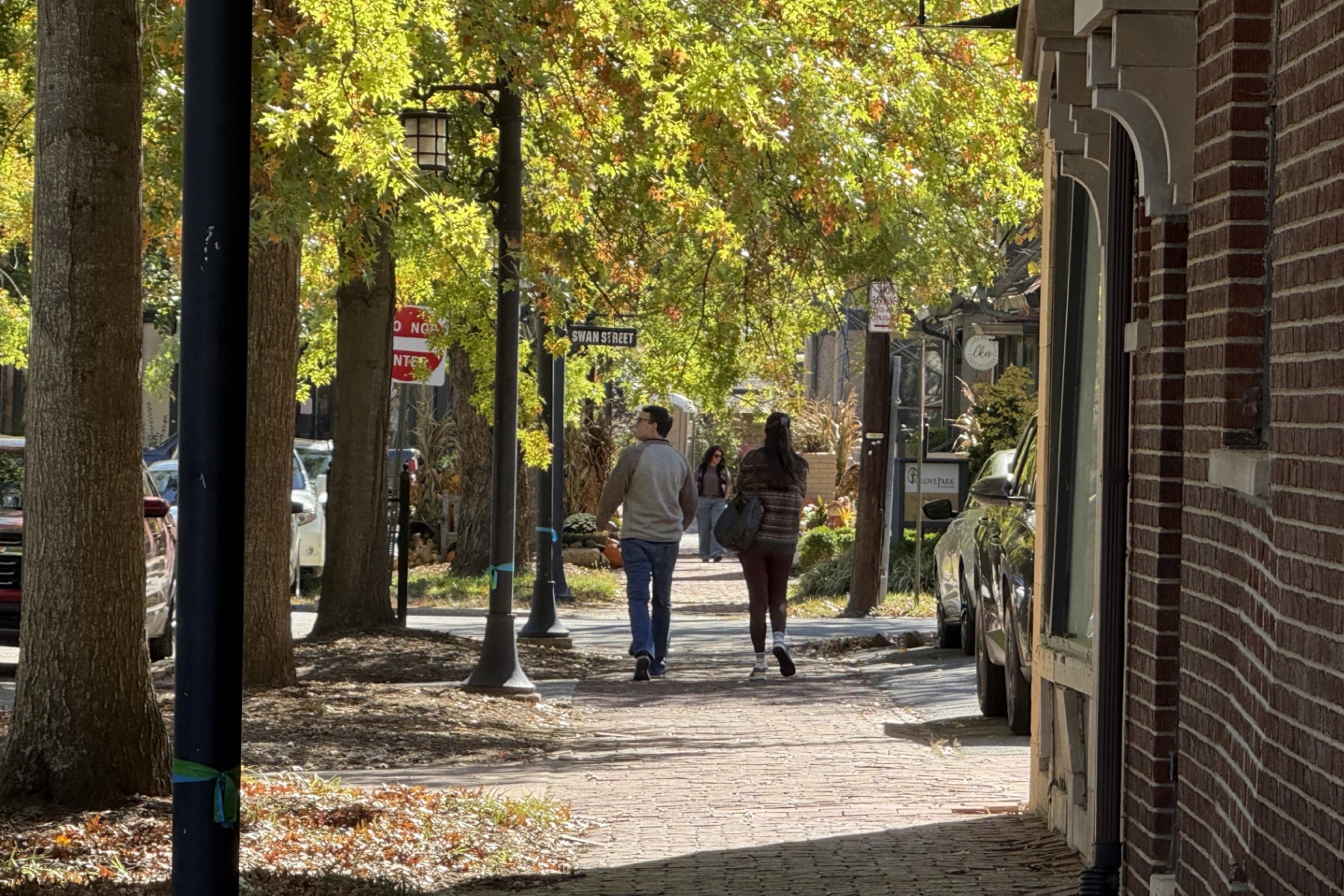
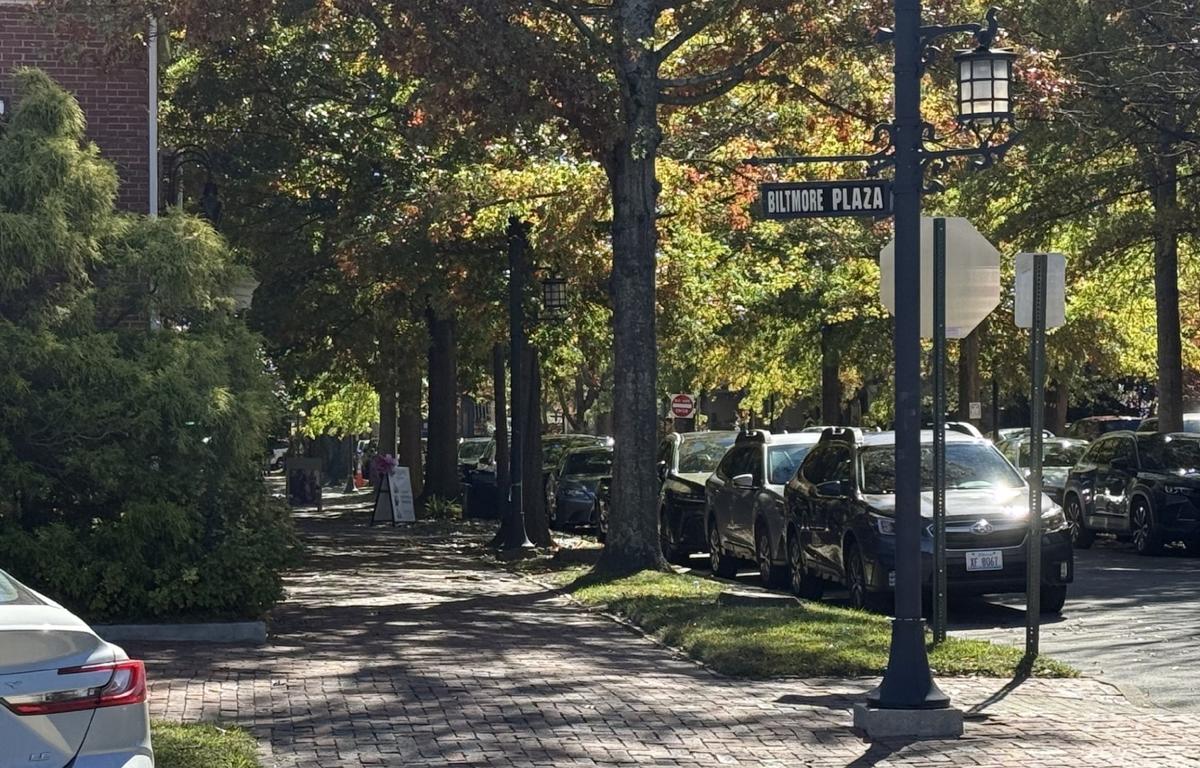
The work will focus on Biltmore Plaza, Kitchin Place, Boston Way and Swan Street.
The project comes as Biltmore Village continues recovering from Tropical Storm Helene, which devastated the historic neighborhood in September 2024. City officials hope to begin construction in early 2027 and finish by late 2028.
The city received $2.49 million from the North Carolina Department of Commerce through a Helene recovery grant program. The Buncombe County Tourism Development Authority also awarded $296,179 for the project, bringing the identified funding to approximately $2.79 million.
But the work also presents a challenge: How do you undertake another major construction project without making life harder for businesses still recovering from the storm?
City officials said they’ve heard those concerns and are working to keep disruptions to a minimum.
Rather than hiring an outside firm to design the project, city staff developed the plans in-house to speed up the process. Officials are also considering signs and other ways to remind visitors that Biltmore Village remains open during construction.
Preserving the village’s historic character
The project is about more than replacing damaged sidewalks.
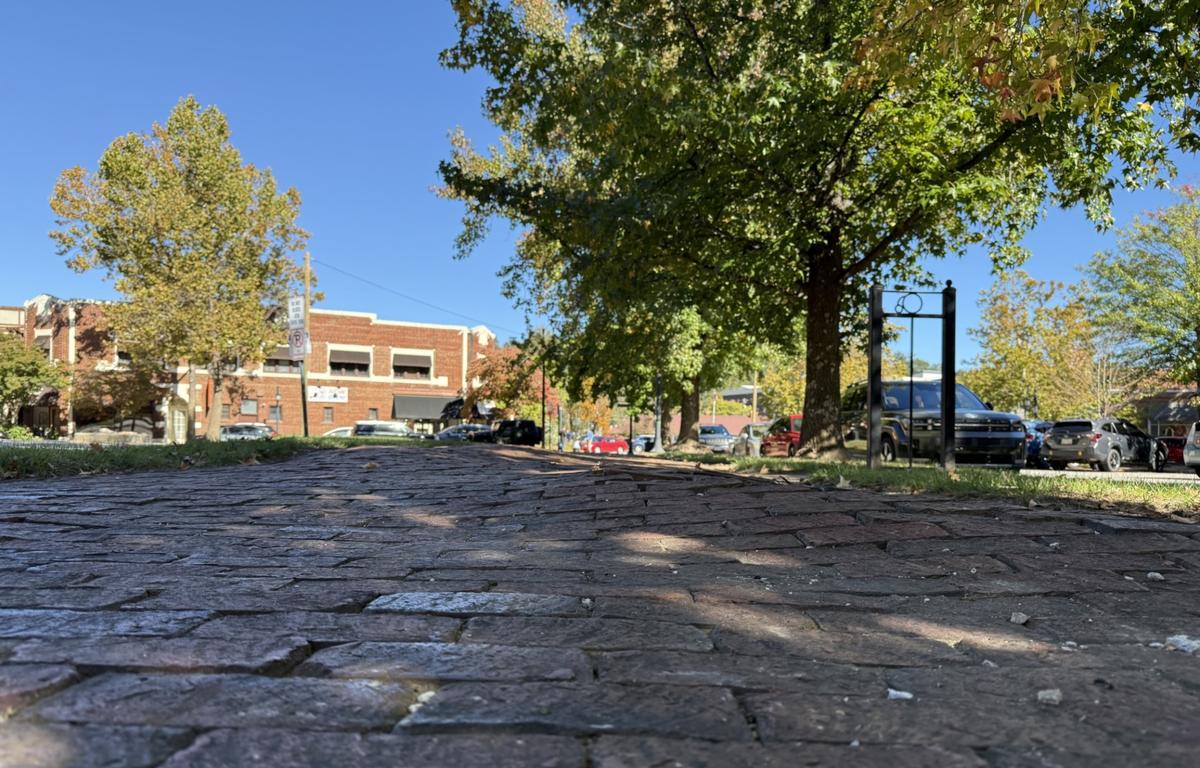
Biltmore Village’s brick walkways, granite curbs and tree-lined streets are part of what makes the neighborhood distinctive. The city’s plans call for preserving as much of that character as possible while addressing aging infrastructure, uneven sidewalks and accessibility problems.
Existing bricks and granite curbing will be reused wherever possible. New bricks will be mixed with the old ones to maintain the village’s traditional appearance.
The rebuilt sidewalks will have concrete bases intended to improve stability, although city officials acknowledged that tree roots could still cause problems over time.
The work also includes repairing drainage features, replacing damaged curbing and improving sidewalks and ramps to meet accessibility standards.
Some sidewalks currently have uneven surfaces or slopes that make them difficult to navigate, particularly for people using wheelchairs or other mobility devices.
The improvements are not intended to solve Biltmore Village’s larger stormwater or flooding problems. Those would require separate projects.
Restoring the tree-lined streets
One of the most noticeable changes will involve the village’s street trees.
The plans approved by commissioners call for removing 23 existing trees and planting 11 new trees. The final number of replacement trees needs clarification because the commission’s discussion included differing figures.
Some trees are unhealthy, while others have outgrown their planting areas, damaged sidewalks or no longer fit the district’s historic landscape plan.
City officials considered several approaches, from replacing only the most troubled trees to a more extensive restoration of the village’s original landscape design.
They settled on a middle option that focuses on restoring the tree-lined corridors along Biltmore Plaza and Kitchin Place.
The plans draw on the village’s historic landscape design while accounting for modern conditions, including overhead utility lines and limited planting space.
Replacement species include London plane trees, pin oaks, lindens and eastern redbuds.
Officials said the Biltmore Village Merchants Association supported the approach, particularly the restoration of the main tree-lined corridors.
Safer crossings and better accessibility
Pedestrian safety is another major part of the project.
The city plans to add curb extensions at the intersection of Biltmore Plaza and Boston Way. The extensions will shorten the distance pedestrians must cross and create a tighter intersection intended to encourage drivers to slow down.
Officials said they’ve heard concerns about speeding through that part of the village.
Crosswalks will be restriped, and sidewalk ramps will be upgraded to meet accessibility requirements.
The project also includes replacing damaged granite curbs, improving drainage structures and relocating an Explore Asheville information kiosk.
City staff are coordinating with a separate streetlighting project so electrical conduit can be installed beneath the sidewalks while they’re being rebuilt. The goal is to avoid tearing up newly completed sidewalks when the lighting work begins.
Another construction project during Helene recovery
The timing is particularly sensitive for Biltmore Village, where businesses have spent more than two years recovering from Helene.
City officials said merchants have emphasized the importance of completing the work as quickly as possible and limiting disruptions.
The city held a public engagement event in July that drew about 40 people. Officials said feedback from residents and merchants helped shape the project, particularly decisions about which trees to replace.
The city hopes to begin construction in early 2027 and complete the work by late 2028. The schedule remains subject to the remaining steps in the project.
The Historic Resources Commission approved the certificate of appropriateness with a condition requiring final site plans to be submitted for staff review and approval.
The approval clears a historic preservation hurdle for a project intended to restore Biltmore Village’s distinctive appearance while improving the streets and sidewalks used by residents, businesses and visitors.