Editor’s Note: Western North Carolina is rich with untold stories—many resting quietly in local cemeteries. In this Tombstone Tales series, we explore the lives of people from our region’s past whose legacies, whether widely known or nearly forgotten, helped shape the place we call home.
Note: This article was originally published on February 15, 2025
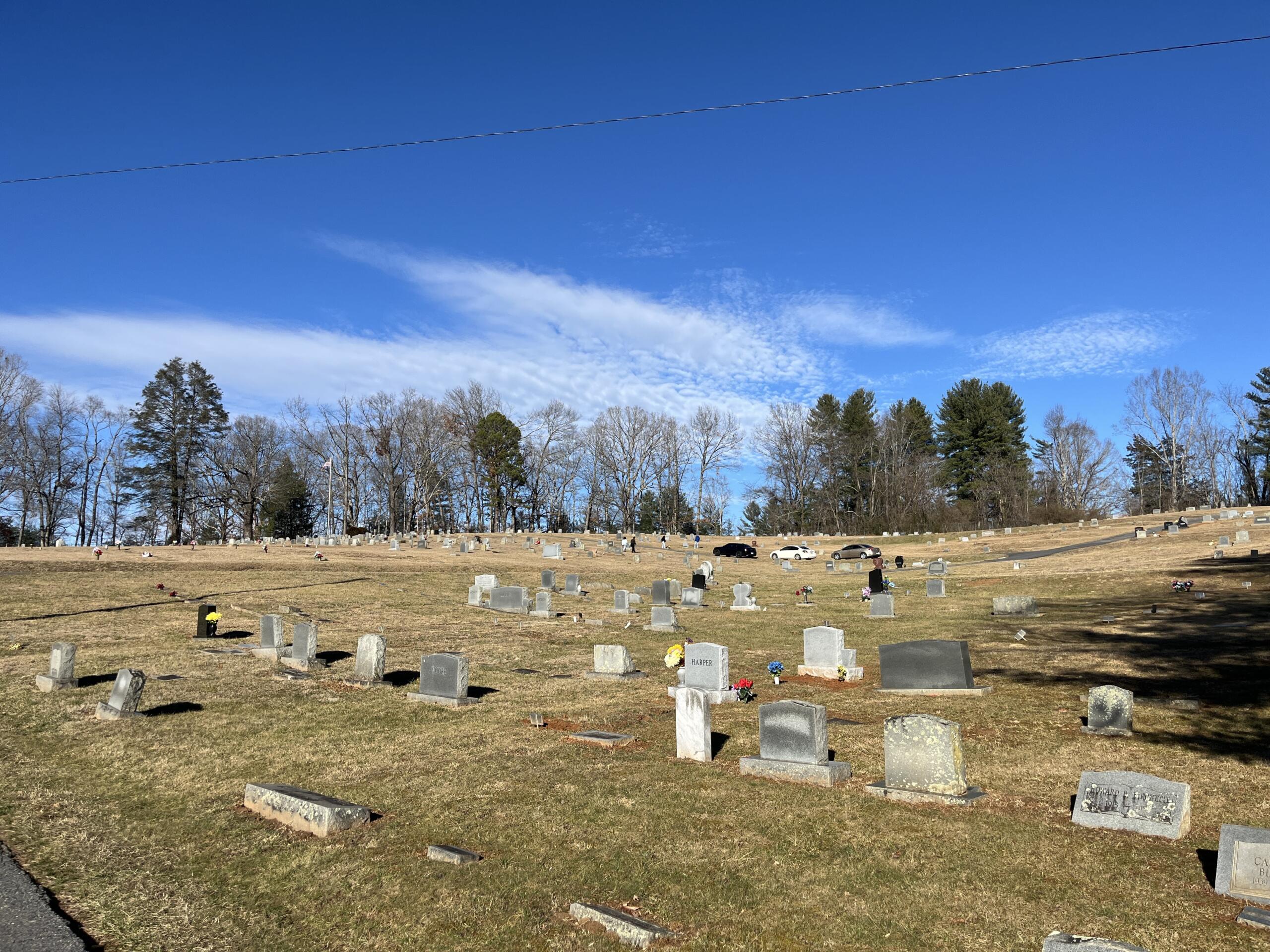
ASHEVILLE, N.C. — In Asheville’s Sunset Cemetery, the grave of Linwood Crump marks the resting place of a man whose influence reached far beyond his lifetime. Known throughout his neighborhood as “the Mayor of Shiloh,” Crump devoted decades to advocating for his community, earning a reputation for service.
That legacy was formally recognized when the Shiloh Community Center was renamed in his honor in 2005. The Linwood Crump Shiloh Community Center stands as a lasting reminder of a man who believed in showing up for others.
Linwood Crump was born in 1944 in Newport News, Virginia, to the Rev. Emerson Crump and Dora Lee Logan. Before he turned 10, his family relocated to Asheville. Of his 60 years, Crump spent more than five decades living in the Shiloh neighborhood, the place that would come to define his work and his reputation.

As a young man, Crump attended Stephens-Lee High School, Asheville’s segregated high school for African American students. He graduated in 1964, one year before the school closed as the city began integrating its public schools. During his time there, Crump shared the halls with classmates who would go on to make their own marks, including future Western Carolina University and NBA basketball standout Henry Lee Logan.
In 1965, Crump married Lucille Marie Lytle. The couple were active members of Rock Hill Missionary Baptist Church, where Crump’s obituary described him as “full of life” and someone who “never met a stranger.”
Crump worked for Eaton Cutler Hammer before retiring in 1991 due to health complications. Retirement, however, did not slow his involvement in the neighborhood. To many children in Shiloh, he was “Coach Crump,” a familiar presence on courts and fields, teaching basketball, baseball, and football while emphasizing discipline, teamwork, and belonging.
It was through this steady, visible commitment that Crump earned his most enduring title. “Affectionately known as the ‘Mayor of Shiloh,’” Asheville Parks and Recreation noted, “he was an outspoken voice for the community and never shied away from taking community issues to City Hall.” He advocatedg for neighborhood improvements, worked to combat drugs and crime, and focused much of his volunteer time on the Shiloh Community Center.

The center itself carries a layered history. As Asheville closed its segregated schools in the 1960s, Asheville Parks and Recreation repurposed several former school buildings as community spaces. Shiloh Elementary School was among them.
With more than $500,000 in federal grant funding, the former school was retrofitted and reopened in 1980 as a recreation center offering programs for all ages and leased space to nonprofit organizations focused on health and wellness. Over the years, the site continued to evolve, reflecting both the needs of the neighborhood and the persistence of those who advocated for it.
Around 2000, a playground and walking trail were added. In 2019, further improvements included a new playground, basketball court, repaved walking path, and ballfield upgrades. A major renovation completed in 2022 brought additional updates, including outdoor fitness equipment, improved drainage, indoor gym and fitness center renovations, and solar panels installed on the roof.
Asheville Parks and Recreation has described the complex as “an integral part of the community’s cultural and social fabric,” a characterization many residents say reflects Crump’s own lifelong mission.
The Shiloh Community Center was officially renamed the Linwood Crump Shiloh Community Center on July 15, 2006, just over a year after his death. Hand-painted artwork displayed at the center depicts several deceased African American community leaders, including Crump, shown with a basketball, baseball, and football, symbols of the sports he coached and the children he mentored.
Linwood Crump died on June 19, 2005, at the age of 60. Then-Mayor Terry Bellamy attended Crump’s funeral and addressed those gathered, saying, “Every neighborhood in the city of Asheville needs a Linwood.”
Lucille Crump died on Sept. 21, 2021, at the age of 74. Together, their lives remain woven into the history of Shiloh, a community shaped not just by buildings or programs, but by the quiet persistence of people who chose to serve.
-
Tombstone Tales: ‘Mayor of Shiloh’ buried in Asheville
Linwood Crump, known as “the Mayor of Shiloh,” left such an impact on his neighborhood that the community center he served at was renamed to honor him.
-
Tombstone Tales: Lewis Trexler, killed over seventy-five cents
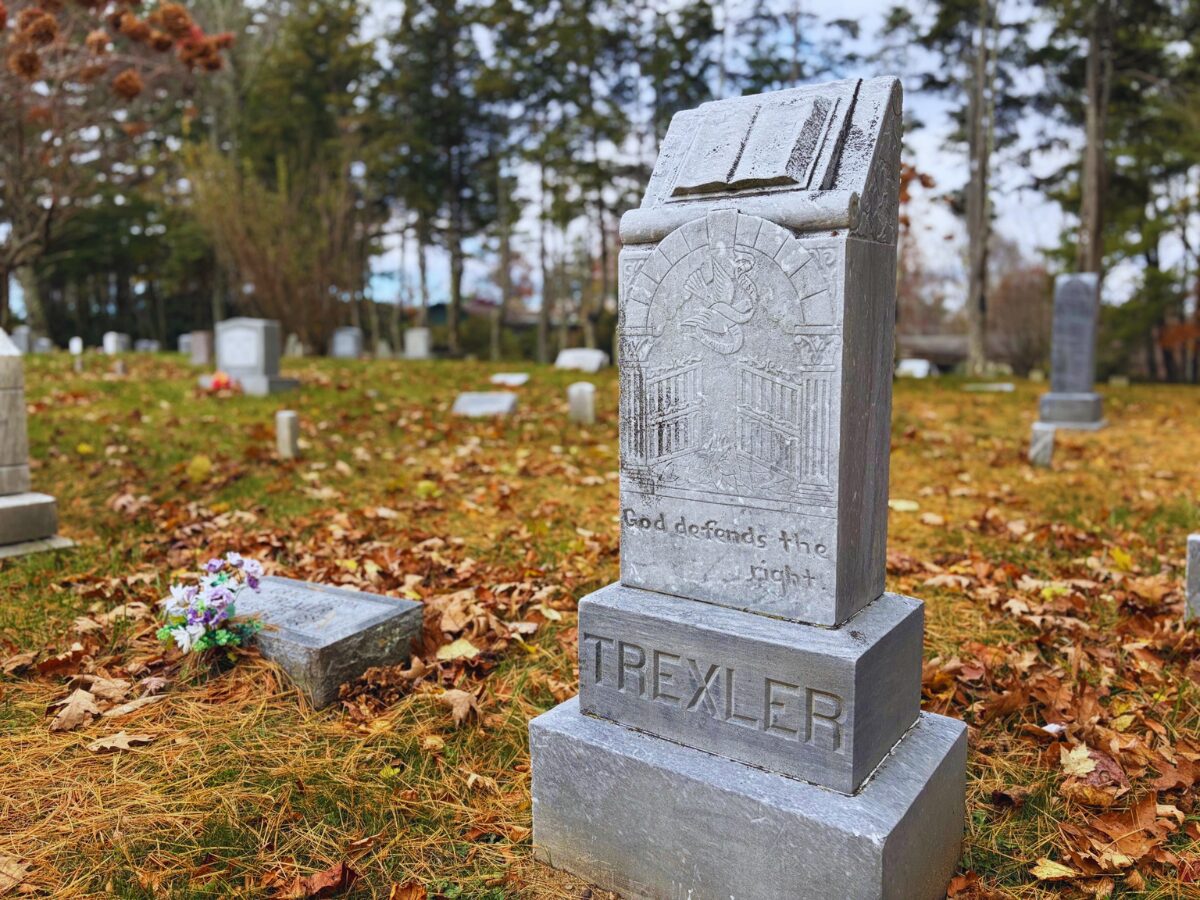
A former Blowing Rock police chief was beaten to death in 1888 over a minor debt. More than a century later, his grave tells a story of injustice, outrage and a life cut short.
-
Tombstone Tales: Flat Rock’s Slaves and Freedmen Memorial
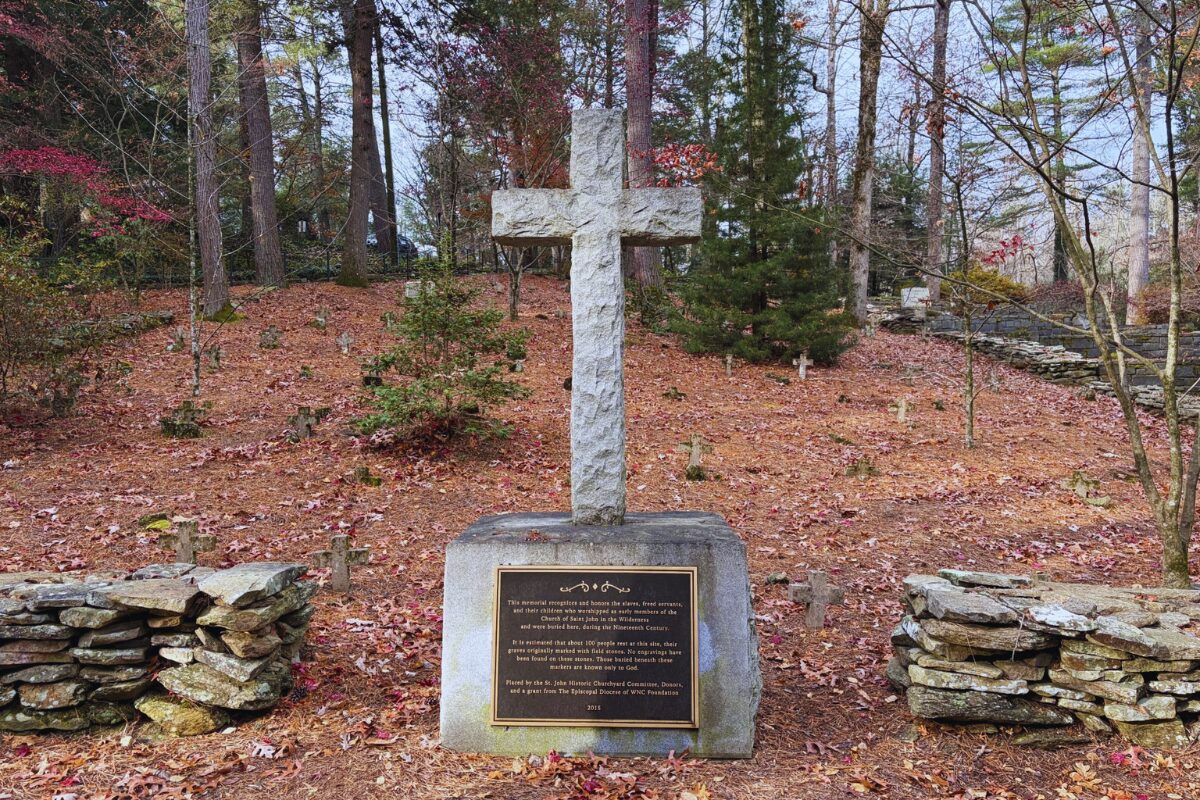
Beneath a quiet stand of trees near Flat Rock’s oldest Episcopal church, a granite cross rises above a hillside of small white markers. It is one of the few memorials dedicated to enslaved and freed African Americans in Western North Carolina.
-
Tombstone Tales: Riverside grave with bold confession
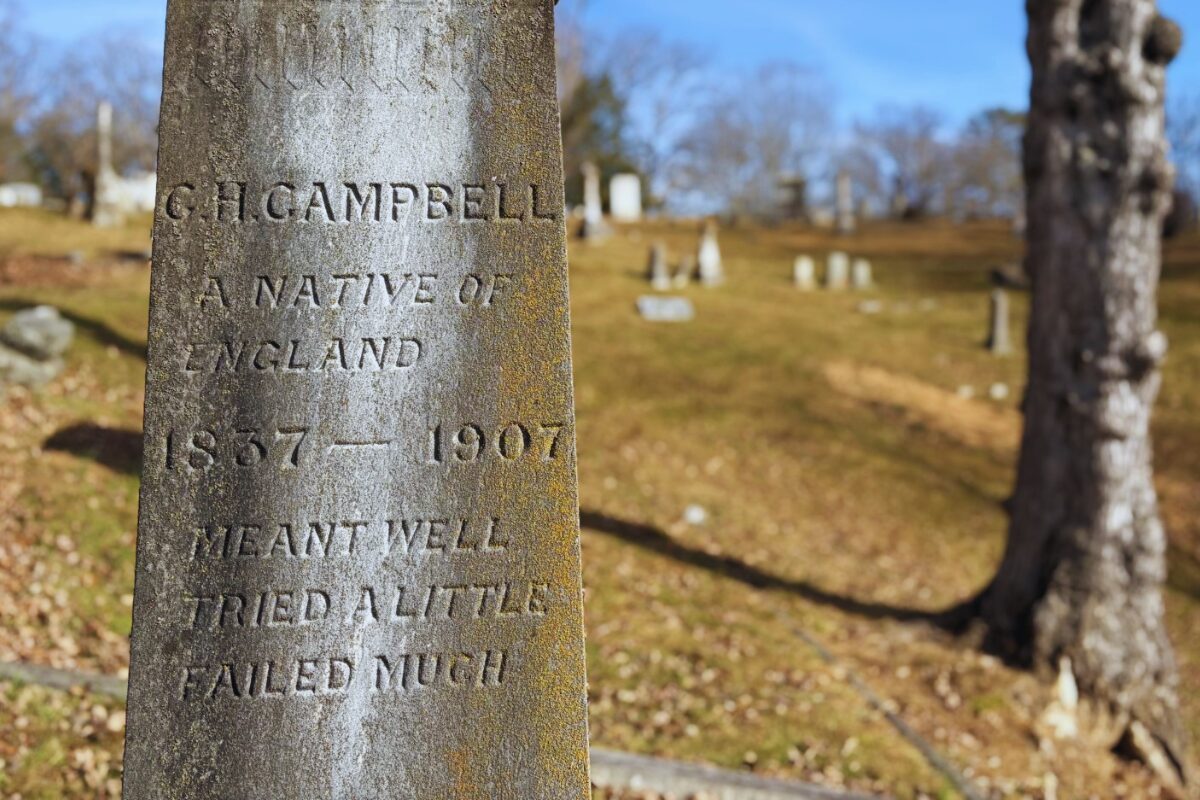
ASHEVILLE, N.C. — Riverside Cemetery is known for its monuments, the Southern writers who draw visitors from around the country
-
Tombstone Tales: Caleb Miller, “Old as the Hills and Twice as Wise
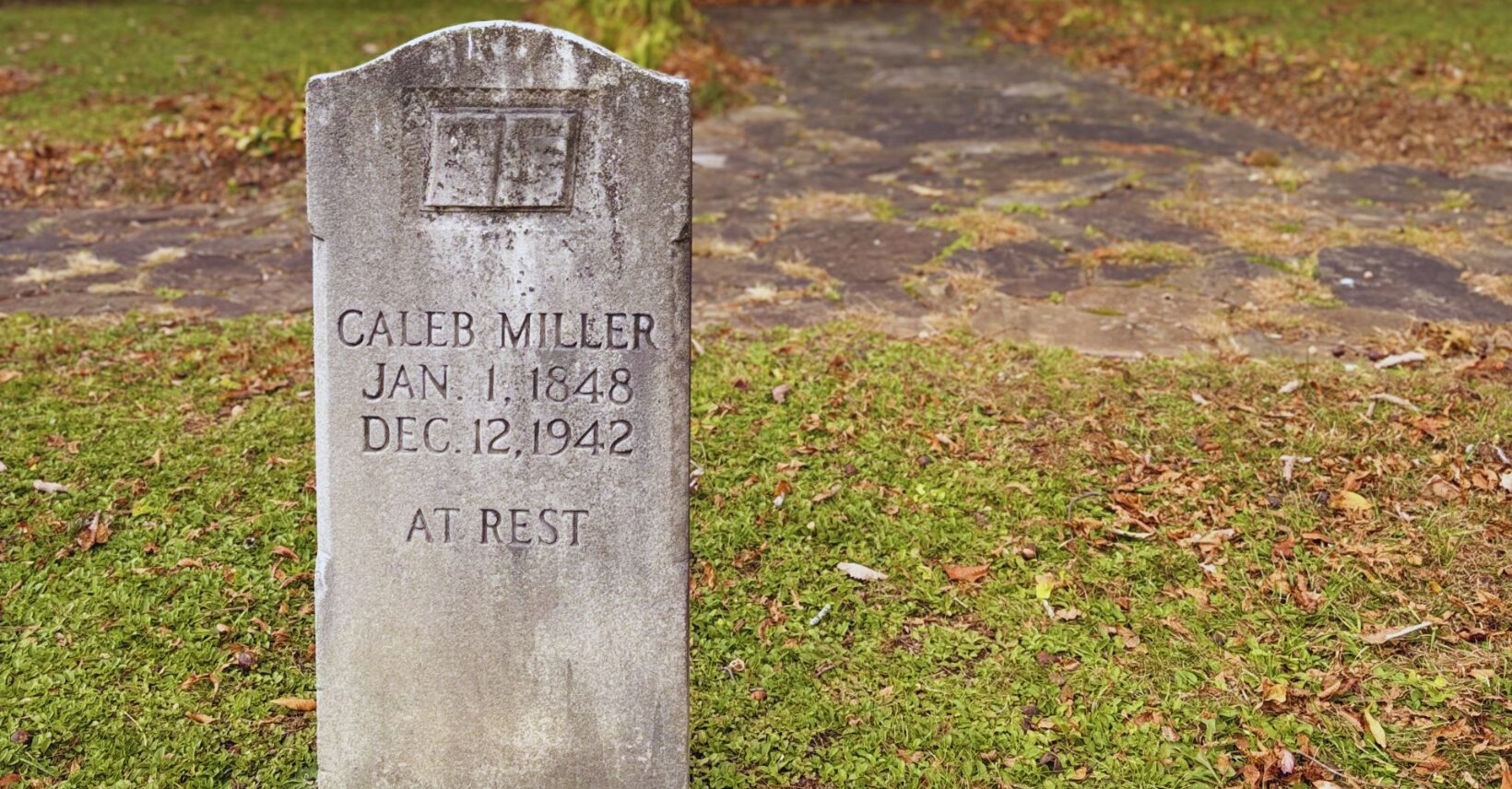
A simple stone marking a remarkable Blue Ridge life.